A bathroom can have great tile, a new vanity, and quality fixtures, then still feel unfinished because the glass was treated like an afterthought. This guide to bathroom glass upgrades focuses on the pieces that change how the room looks, works, and holds up: shower enclosures, mirrors, hardware, and the details that make a custom installation feel right.
Start With the Shower, Not the Hardware
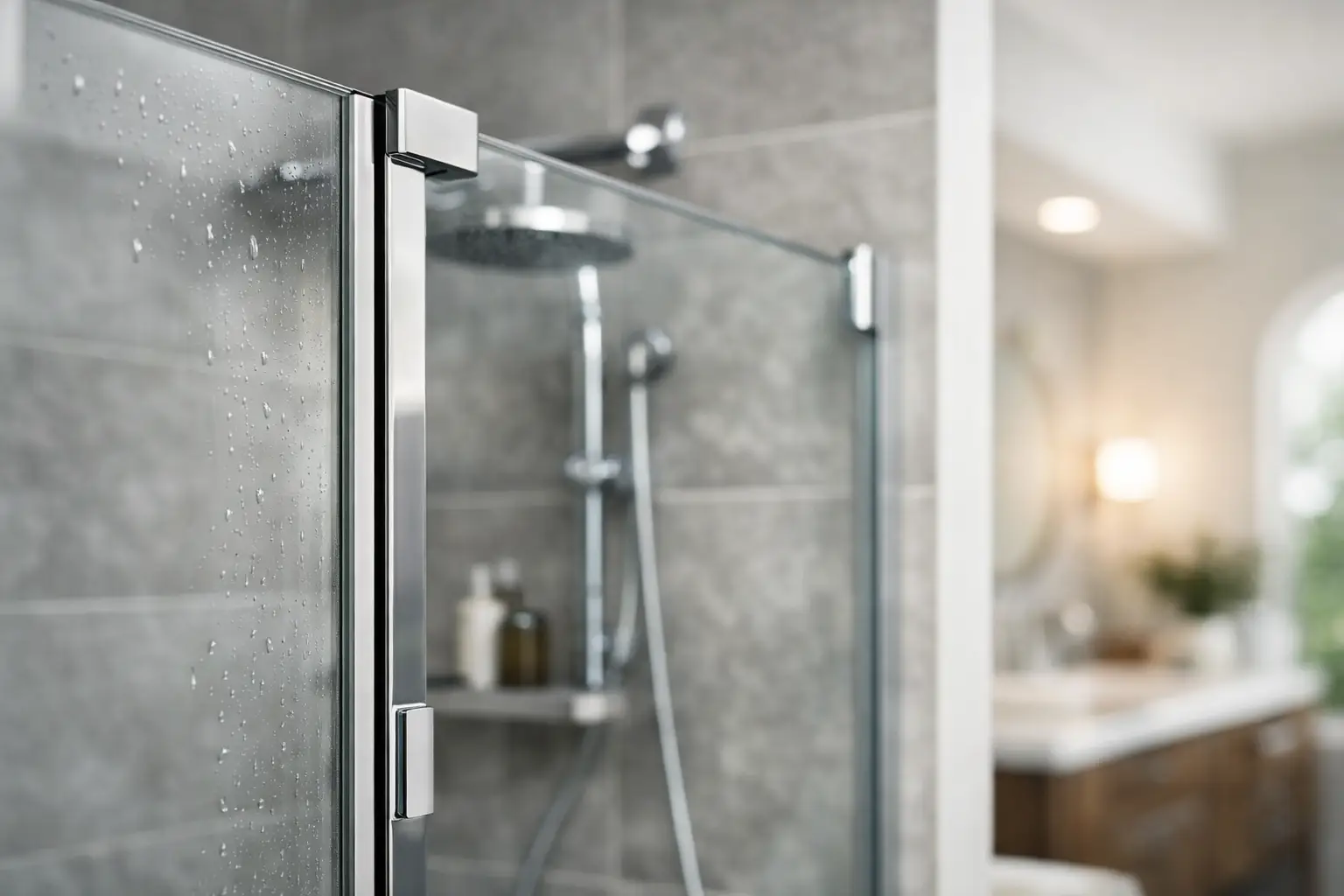
For most bathroom remodels, the shower enclosure makes the biggest visual impact. It is also where measurement, layout, and installation quality matter most. A frameless shower door can make a compact hall bath feel more open, while a properly designed glass enclosure gives a primary bathroom the clean finish people expect from a high-end remodel.
The first decision is not the handle or the glass tint. It is the shower layout. A walk-in opening, a hinged door, a sliding system, or a fixed panel each has different clearance requirements. The location of the toilet, vanity, showerhead, bench, and controls all affect what will work best.
For example, a hinged door needs enough open floor space to swing safely. A sliding door can solve a tight layout, but it adds tracks and rollers that require regular cleaning. A fixed panel creates a very open look and has fewer moving parts, but the shower design must keep water inside the wet area. There is no one-size-fits-all answer. The right choice depends on the room and how the shower will be used every day.
Frameless vs. Semi-Frameless Glass
Frameless shower doors use heavier tempered glass and minimal metal, creating a clean, open appearance. They are a strong choice when tile work is a feature, when the homeowner wants less visual clutter, or when the bathroom needs to feel larger. They also demand precise measurements because there is very little room to hide an out-of-square wall or uneven tile.
Semi-frameless systems use more metal around certain edges while keeping the overall look lighter than a traditional framed enclosure. They can be a practical option for a rental property, secondary bathroom, or project with a tighter budget. The trade-off is appearance: more visible framing means a less open, custom look.
A good glass contractor will be direct about which option fits the opening. Trying to force a frameless design into a layout that needs more containment or support can create water-control issues and extra cost later. Good work starts with an honest recommendation, not an automatic upsell.
Choose Glass for Daily Use
Clear tempered glass remains the standard for a reason. It lets tile, stone, and fixtures stand out, and it works with nearly every bathroom style. In smaller bathrooms, clear glass helps preserve sightlines instead of cutting the room in half with a visual barrier.
That said, clear is not the only choice. Frosted, rain-patterned, tinted, and low-iron glass can all be useful when privacy or design calls for it. Low-iron glass has less of the greenish edge that standard glass can show, especially with thicker panels and light-colored tile behind it. It is a worthwhile upgrade for some projects, but it may not be necessary in a simple shower where the difference will be hard to notice.
Thickness matters, too. Heavier glass feels substantial and supports the frameless look homeowners want, but it also requires the right hinges, anchors, and wall conditions. Glass should never be selected by appearance alone. The installer needs to account for panel size, weight, hardware placement, and how the glass will be supported.
For shower doors, tempered safety glass is the expected material. It is designed to break into small pieces rather than sharp shards if damaged. The goal, of course, is to avoid damage in the first place through proper handling, proper installation, and hardware rated for the application.
A Guide to Bathroom Glass Upgrades That Fit the Room
Custom glass is not just about getting a panel cut to a certain size. It is about making the finished enclosure work with real-world conditions. Bathroom walls are rarely perfectly plumb. Tile corners can vary. Curbs may slope for drainage. A custom measurement taken after tile is complete accounts for these details before fabrication begins.
This is why measuring too early is one of the most common mistakes in a bathroom renovation. Shower glass should generally be measured after the tile, curb, and waterproofing-related finish work are complete. If a contractor uses rough framing dimensions to order glass, even a small change in tile thickness or wall finish can lead to delays, gaps, or costly rework.
For homeowners, the practical takeaway is simple: schedule the glass measurement at the correct stage of the project and do not rush it. For general contractors, this protects the schedule. Clear coordination between the tile installer, plumber, remodeler, and glass contractor keeps the final phase moving without forcing anyone to make a bad fit work.
Do Not Overlook Hardware and Finish
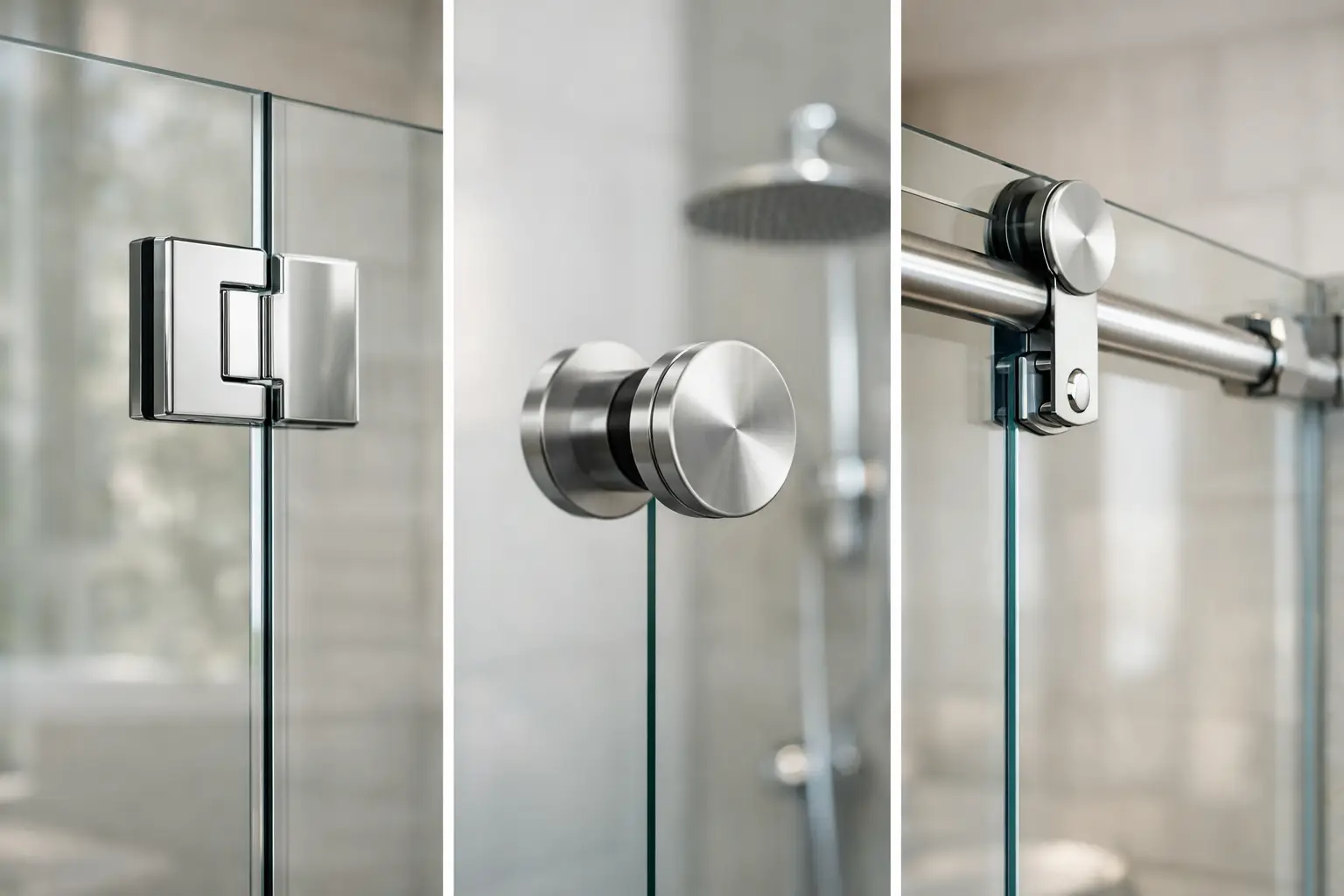
Shower hardware does more than hold the door in place. Hinges, handles, clamps, headers, channels, and towel bars shape the appearance of the enclosure and affect long-term performance. A quality hinge should operate smoothly, hold the door in the correct position, and be selected for the weight and swing of that specific panel.
Matching the hardware finish to faucets and cabinet pulls can pull the room together. Polished chrome remains a dependable choice because it is widely available and easy to coordinate. Brushed nickel is forgiving with water spots. Matte black makes a stronger statement, but it can show mineral residue more easily in hard-water areas. Brushed brass and warmer finishes can look excellent in the right design, though matching shades between manufacturers is not always exact.
The best approach is to choose the major plumbing finish first, then select shower hardware that complements it closely. Bringing finish samples to the jobsite helps avoid surprises under the bathroom’s actual lighting.
Add a Mirror That Does More Than Reflect
A custom mirror can change the balance of a bathroom faster than almost any other finish. The wrong mirror can make a new vanity look undersized or leave a carefully planned wall feeling empty. The right one adds light, creates proportion, and gives the room a finished look.
For a single vanity, a mirror slightly narrower than the vanity usually looks intentional. For a double vanity, homeowners can choose one large mirror for a cleaner, more open effect or two separate mirrors to define each sink area. The choice often comes down to the vanity style, lighting layout, and whether the room needs a more traditional or more contemporary feel.
Consider how lighting will interact with the mirror. Sconces placed through or beside the mirror require careful planning. A large mirror can also reflect a window or light fixture, helping the room feel brighter without changing the electrical layout. In bathrooms used by families, a simple wall-to-wall mirror may be more practical than a decorative piece that limits viewing space.
Plan for Cleaning Before Installation Day
Glass is easy to clean when the enclosure is designed well and maintained consistently. It becomes frustrating when water is allowed to sit on it, gaps are poorly planned, or cheap hardware starts to loosen. A properly installed shower enclosure should have sensible door gaps, correct sweeps and seals where needed, and a layout that directs water back into the shower.
Daily care does not need to be complicated. A quick squeegee after showering reduces water spots and soap buildup. Use a non-abrasive cleaner and avoid harsh pads that can damage finishes or leave marks on glass. If the home has hard water, regular cleaning matters even more. A protective glass treatment may help reduce buildup, but it is not a substitute for basic maintenance.
Homeowners should also know that frameless does not mean watertight under every condition. Frameless doors are designed with small operational gaps, and water can escape if a showerhead is aimed directly at the door opening or if the door is used improperly. A skilled installer will explain these limits upfront and recommend practical solutions instead of promising the impossible.
Work With a Glass Partner Who Owns the Details
Bathroom glass is one of the final visible steps in a renovation. By that stage, there is little tolerance for missed measurements, late communication, scratched finishes, or a crew that leaves the room dirty. The quality of the result comes from field measurement, careful fabrication, and a clean installation completed by people who know the work.
Top Tier Glass & Mirror brings an owner-led, no-subcontractor approach to custom shower doors, mirrors, and bathroom glass projects throughout the Chicagoland suburbs. That means accountability from the on-site estimate through the final cleanup, with straightforward recommendations based on the actual space.
Before approving a design, look at the bathroom as a whole: door swing, water control, tile layout, hardware finish, mirror scale, and daily cleaning needs. The best glass upgrade is not simply the most expensive option. It is the one measured correctly, built for the room, and installed with enough care that you can enjoy it every morning without thinking twice about it.